Research: How You Respond To Stress Determines Your Health in 10 Years

Another great article (linked) from The Art of Healing Magazine.
I love 2 exerpts in particular from this article:

“Our research shows that how you react to what happens in your life today predicts your chronic health conditions and 10 years in the future, independent of your current health and your future stress,” said David Almeida, professor of human development and family studies at the University of Pennsylvania.

“Pioneering psychiatrist Edmund Bergler, MD, observed that we do get attached to negativity and stress. In fact, he called such attachments a reflection of our basic neurosis, suggesting that we actually – subconsciously – learn to prefer the displeasure of stress rather than the pleasure of happiness. If you look at the world from this perspective, it makes so much sense.”

Both are disturbing, but so true of the human condition.
I have found that the easiest way to quickly wind down stress is to use diaphragmatic breathing rhythms that emphasis the relaxing ‘parasympathetic’ aspect of the breathing cycle. These rhythms create the exact opposite response in the body to the stress response.
So, perhaps practicing your breathing with a dedicated session each day, and then every other chance you become aware, will improve your health in 10 years from now. There’s enough research evidence to support this notion.

http://www.theartofhealing.com.au/news_research_how_you_respond.html

The Art of Healing – Note to Teens. Just Breathe!!

More research on the benefits of efficient breathing courtesy of The Art of Healing Magazine.

Reduced impulse behaviour in teens after just 4 weeks of breathing training. Impuse behaviour is linked to many major mental health issues in adulthood.

The research just keeps piling up.

Given that the average person breathes twice as often as diagnostic norms suggest we should, this suggests that the average person breathes inefficiently, or over breathes.

Have there been times where we all feel we could have acted a little less impulsively?

Hopefully the research builds up enough that sooner than later we all see the need to practice efficient breathing as much as much as we see the need to perform other life skills more efficiently and more regularly – such as good nutrition, exercise, yoga, time to self etc. etc.

http://www.theartofhealing.com.au/news_note_to_teens.html

The One Day per Week Fast (The 6 and 1 Fast)

The One Day per Week Fast

A great deal of attention has been drawn to fasting as a health promoting and therapeutic practice since the BBC documentary “Eat, Fast and Live Longer” by Micahel Mosley featured recently on SBS.

I have received several enquiries about fasting – particularly the fast recommended by Dr Mosley – the 5 and 2 fast. This is actually, technically not a fast. It simply involves reducing calorie intake 2 days per week (generally not consecutive days) to 500 calories for women or 600 calories for men.

A lot of information and recipes can be found online regarding this.

Since I first started fasting over 18 years ago as part of the treatment to heal myself from Chronic Fatigue Syndrome (CFS), I have practiced several types of fasts; including 4-5 x 2 week juice fasts, some shorter 2-3 day fasts and one day per week or fortnight fasts.

Whilst the week or two week fasts are wonderfully therapeutic and deeply cleansing, I tend to only do these once every 2-3 years. In between, I have regularly used the one day per week fast.

Whilst the 5 and 2 fast is very effective, I find the one day per week (or 6 and 1 fast) the most simple and effective way to practice fasting. And, over time, from observing my own and clients responses, it is extremely therapeutic.

The benefits of this one day per week or 6 and 1 fast have included:

  • A simplicity in implementing it – unlike the 5 and 2 fast, only juices, water and herbal teas are consumed. No food. As such it is quite ‘black and white’ (there is no eating whatsoever – only drinking) and far less open to getting a little ‘creative’. This is very important on fasting days as temptation can creep in, especially if one is tired or stressed.
  • You feel very light and clean, both on the day and afterwards.
  • You rarely feel overly hungry, even hungry at all. Especially once you have done it for a few weeks. It is not difficult at all. And, if you do feel a little hungry, you only have to wait until the next day to eat again.
  • Being only one day per week, it is not intrusive. I have found it best to routinely fast on the same day each week. Monday is often a great day. On this day I do not exercise heavily. I do yoga, stretching and light aerobic work such as swimming, walking, light paddling etc.
  • Whist I am reluctant to promote fasting for weight loss, you do lean up on this program. Partly because of the reduction in calories on the one fasting day (generally between 150-200 calories via the juices), and also due to the fact that you tend prefer to eat smaller meals, more regularly, and more clean or wholesome foods for 2-3 days after the fasting day.
  • Improvement in immune function – both myself and my clients have noticed fewer colds and flus, headaches/migraines and other minor ailmens since we started regularly fasting one day per week.
  • A gradual, but significant lessening of symptoms in many chronic ailments – including CFS, fibromyalgia, IBS and gut disturbances, arthritic complaints, auto-immune conditions etc.
  • Improvement in gut function; i.e. regularity and consistency of bowel movements.
  • And the best bit – much greater vitality!!!

Dr Elson Haas’ description of fasting as “the missing link in the Western diet” definitely resonates.

For more information about the one day per week (or 6 and 1) fasting program, contact Tim Altman via email (tim@timaltman.com.au) or on 0425 739 918 to make an appointment.

Chronic Fatigue Syndrome – Solutions

CHRONIC FATIGUE SYNDROME – SOLUTIONS

Tim Altman B.Sc. B.H.Sc. (Naturopathy)      www.timaltman.com.au  www.naturalflowretreats.com.au   www.wepaddle.com.au

So often I see clients coming to me with CFS who have been to a number of medical and health practitioners. More often than not, they come with a list of supplements they have been recommended that can be over an A4 page in length. A few clients were spending well over $500 per month on supplements.

That is not the way I approach CFS.

This is what I call the pharmaceutical approach to treating a lifestyle induced ailment. That is, nutritional and herbal supplements are used like pharmaceutical medicines in that they are administered with an approach to treating symptoms and/or measured or perceived deficiencies only. This approach fails to look at a potential ‘root cause’ of the condition and rarely yields long lasting results. A symptom or a deficiency is a real problem and should be addressed, but to take this approach only to a systemic or whole body ailment is to get lost in the bright lights.

And in most cases, the supplements used are artificially synthesized based on our, as yet, limited nutritional understanding.  We are a long way from being close to replicating nature. What tends to happen with these artificial supplements is that the body recognizes these as ‘new to nature’ and has to spend energy to digest them and break them down into a form that can be used.  We are trying to build the client’s energy levels and internal functions rather than tax their system even further!!!                       A classic example of this is when a person passes very colourful and pungent urine as a result of using artificial supplements. Down the toilet is where most of their money has just gone.

CFS is an insidious onset chronic ailment – in other words, it builds slowly, so that by the time symptoms appear, it is often very well advanced. This is the case with most chronic illnesses. And in this case, as with most chronic illnesses, the solution or alleviation of illness lies in addressing how the person became ill in the first place.

We know from anthropological research that it takes 40,000-100,000 years for a change in our environment to be genetically assimilated by our bodies. So, in effect, we should consider how we lived, breathed and ate 40-100,000 years ago, and apply this understanding to our modern lives. We were wandering the bush. And our bodies still respond as if we were. The body, from a physiological and biochemical perspective has no idea that we now drive cars instead of walk, sit for much of the day, have i-phones, computers etc to communicate, procure our food without any personal expenditure of energy etc.

The way we live is vastly different to the way we are built to. This affects every aspect of the human living system – nutrition, breathing, movement/stabilization, how we think, and sleep and rest/rejuvenation.

To address chronic fatigue syndrome (CFS) and most chronic ailments we need to address how far removed these aspects of living are for each individual compared to how they are built to function (based on evolutionary influences). Or, in other words, how far from optimal functioning has the individual strayed. The further one has strayed, the more likely you are to present with illness.

Correcting these imbalances will go a long way to restoring a person to ideal health. This does not mean you have to go and move to the country and join a commune etc. It simply requires understanding of how our system has evolved to function ideally, and to implement lifestyle change (often significant) that brings you more in line with this ideal or optimal functioning. This takes time and practice. And it does not just mean addressing your nutrition. How you breathe, sleep, rest and rejuvenate, and even our emotional functioning can dramatically affect our health and wellbeing and very few people perform these functions at anywhere near ideal levels.

In most cases, as the level of dysfunction is quite advanced in CFS and other chronic ailments, people often need a bit of a nudge initially with natural remedies that work in a range of areas including liver, adrenals, blood cleansing/detoxifying, the GIT, nervous system, immune system etc. Which imbalances that need to be corrected depend each individual case or presentation.

In treating many CFS sufferers over the years, I have come to find a number of outstanding nutritional and herbal remedies that have been wonderful in assisting the body to return to functional or ideal levels. In almost all cases, and in all cases possible, I tend to use pure herbal and organism extracts as they are easily recognized by the digestive system and body and do not tax it further. Once again, we cannot artificially replicate nature.

Allow the body to heal itself by setting up lifestyle change and using nutritional and herbal extracts that the body has been familiar with for hundreds of thousands of years.  The human system has an incredible capacity to heal itself if you just create or allow it the right environment (internally and externally) to do so. It is our birthright as human beings to be healthy and vital.

More often than not, those who experience a full recovery from CFS go on to live a lifestyle that opens them up to a level of health and vitality that is far superior to that which they may have experienced previously and to that experienced by the general ‘apparently well’ population. Retrospectively, many say that CFS was the best thing that happened to them as it opened them up to a level of functioning that they had never thought possible – it sets them free.

That has been my personal experience and that of many of my clients. The common ailments that niggle most of the the (again) ‘apparently healthy’ population – colds and flus, sinus issues, headaches and migraines, aches and pains, fatigue, anxiety/depression, PMT etc. are issues that rarely, if at all, trouble these individuals. This leaves us free to live life to its’ absolute optimum.

Fasting

There has been a lot of talk recently about fasting.
Courtesy of a wonderful BBC documentary recently on the benefits of fasting – “Eat, Fast and Live Longer” by Michael Mosley – many people have adopted intermittent fasting programs or the 5 and 2 program involving reduced calorie intake for 2 days per week.
I have fasted many times since ridding myself of Chronic Fatigue Syndrome including some longer 2 week fasts and many extended periods of fasting one day per week.
I find the one day per week (36 hour) fast very non-intrusive, easy (once you develop the routine) and fantastic for health.
I offer a variety fasts including 2 weeks, 10 days, 1 week and one day per week fasts.
Below is a summary of fasting and it’s benefits from the fasting section of my website.
Fasting is definitely a health initiative worth investigating, although it is something that should be done with great consideration – preferably under supervision from an experienced health practitioner.
Contact me if you would like to explore it further.

“Fasting is a process that allows us to see from direct experience the incredible innate healing and restorative powers that our bodies possess as well as the incredible inherent capacity for health that we all possess as our birthright – a capacity for which most people only ever experience a fraction of its ultimate potential.

In his book ‘Staying Healthy With Nutrition’, Dr Elson, M Haas M.D. describes fasting as nature’s ancient, universal “remedy” for many problems and the single greatest natural healing therapy. Animals instinctively fast when ill. It is the oldest treatment known to us, the instinctive therapy for many illnesses, nature’s doctor and knifeless surgeon and the greatest therapist and tool for preventing disease.

Further, Dr Haas calls fasting, or the cleansing process, the “missing link in the Western diet”.

Most of the conditions for which fasting is recommended are ones that result from the discord to the human system created Western diet and lifestyle. Conditions which are best described as resulting from “chronic sub-clinical malnourishment” (despite having more choice than ever before in human history) in the face of severe “over-consumption or over-nutrition”. In other words, we consume excessive amounts of toxic nutrients such as refined sugars, saturated and trans fats, and chemicals, yet receive inadequate amounts of essential vitamins, minerals, antioxidants and essential fats.

These conditions are the chronic degenerative diseases including:

  • Atherosclerosis
  • Heart disease
  • Cancer
  • Stroke
  • Diabetes
  • Obesity
  • Allergies
  • Chronic immune system disorders or deficiencies.

Over 90% of deaths in Western countries result from these chronic degenerative disorders. Indeed, ignorance (of how to live in accordance with nature) may be our greatest disease.

Fasting is therapeutic and, more importantly, preventative of many of these diseases.

The term fasting here is used to describe the avoidance of solid foods and the intake of liquids only and we offer mainly juice fasts. Juice fasts support the body nutritionally by providing some of the essential nutrients it requires whilst offering a deep and profound cleansing and detoxification of the system.

Dr Haas describes detoxification via fasting as an important “corrective and rejuvenating process in our cycle of nutrition” (balancing and building being other processes), and a time when we allow our cells to “breathe out, become current and restore themselves”.

It was through the use of fasting to heal a very chronic and debilitating illness that I became involved in natural medicine and nutrition. It literally changed my life and gave me a completely new outlook on food and the incredible innate capacity our bodies have for health if we only take a step back and live our lives naturally in accord with how our evolutionary history has modelled our systems’ to function optimally.

Instead of suffocating my cells and organs via overconsumption of processed and refined foods and ‘new to nature’ chemicals, I simply started eating and living naturally. As such, I have continued to fast occasionally and have continued to enjoy the preventative, healing and transformative benefits that this beautiful and natural cleaning process avails.

We now offer a variety of fasting options to clients as a fantastic way of enhancing wellness, slowing down ageing, treating a variety of illnesses and increasing resistance to disease”

Breatheology – Stig Avall Severinsen

“Your breath is an incredible allostatic tool designed to regulate your stress. Calm and controlled breathing will bring your exhausted body and brain back to starting point – homeostasis in perfect balance”
Stig Avall Severinsen PhD (Medicine)

4 Times World Freediving Champ

Case Study – Breathing Dynamics 1

Case Study, Breathing Dynamics – Dry lips and bad taste in the mouth.

Male, 65 y.o.

Presented with dry lips in the middle with moisture at the edges or corners (bottom lip especially can go dry); a bad taste in the mouth, especially in the tongue – symptoms appeared 6 months ago. Never previously before then.

Also presented with a chest cough that has come and gone for almost 12 months.

He had seen a GP, ENT specialist, dentist and dietician. Reports were:

He also has a hiatus hernia (that he is medicated for), but no feedback from this is getting to the throat.         CT scans and X-Ray for his chest were fine – he has some asbestos exposure when younger, but was not considered serious on the scan. The dentist confirmed the taste in his mouth did not seem to be coming from his dentures.      Also, a dietician looked at his diet and could not attribute any of his symptoms to this.

I observed him throughout the initial consultation and noticed his mouth was open (other than when talking) at times when concentrating – meaning that he is a mouth breather and potentially over-breathes.

He snores a bit (self and wife reported), has fairly frequent night time toilet trips and wakes with a dry mouth. So I felt that his mouth could be open at night also.  The night time toilet trips can also be symptomating of an ageing prostate, but the other symptoms were also consistent with night time mouth breathing.

The mouth breathing is likely to dry his lips and dry out his saliva, possibly attributing to the taste in the mouth/tongue.  In addition, mouth breathing means that the roles of the  nose and sinuses in respiration are bypassed resulting in the air that hits the lungs not  being filtered, disinfected, air conditioned or humidified, allowing for increased likelihood of chest and respiratory tract infections.

I assessed his breathing dynamics and mechanics using live biofeedback technology, and found that he breathes closer to double the rate he should (according to medical diagnostic norms) and has low end-tidal carbon dioxide levels (compared again to diagnostic norms for functional breathing) – and therefore inferior oxygen delivery to cells.

It was postulated (by me) that perhaps his breathing did contribute to his symptoms given he has tried almost everything else including medical diagnoses.

Over three sessions (over a 10 period) we re-trained his breathing dynamics and mechanics to return it to diagnostic norms and ensured that his mouth was kept closed at night. During the training he was able to learn and try the breathing techniques and rhythms whilst observing himself on the live biofeedback technology.

He learned very quickly and was able to return his breathing to standards similar to diagnostic norms within the three sessions. This also required practice at home between sessions.

After 10 days the taste in his mouth had gone and his lips were no longer dry in the middle. There was still some residual coughing, but it was significantly better.

He is now far more aware of his breathing and keeps his mouth closed most of the time during the day.

By investigating a function essential to living, yet taken very much for granted, and applying Breathing Dynamics to rectify imbalance with this function, we were able to achieve in 10 days and $300 what many conventional medicos and a few thousand could not. A happy ending.

Breathing Dynamics is also fantastic and inexpensive contributor to treatment of asthma and breathing difficulties, snoring and sleep apnoea, anxiety and depression, allergies, headaches and migraines, fatigue, high blood pressure and dental issues. It also offers fantastic benefits for those wanting greater performance in sporting, business, academic and artistic pursuits. As well as stress reduction.

Primal Body, Primal Mind

Am reading possibly the best bookd on nutrition I’ve ever read – Primal Body, Primal Mind by Norah T. Gedgauduas.
She is extremelt thorough in disecting the research and cuts to the chase beautifully.
I love it and wanted to share a couple of quotes:

” Complex systems models, functional medicine, and functionally, foundationally based nutritional therapy must be the next evolution of research and practice across the spectrum of health care. Science and medicine can no longer be compartmentalised in their thinking or sell their souls to pharmaceutical and corporate greed if we are to genuinely uncover useful truths toward our enhanced well-being”.

“Again, proper balance is needed. Getting most out of our nutrients from quality, nutrient-dense food sources is what seems to make the most sense, wherever possible (Norah’s bold type inserted)”.

Beautiful. I love that she is so thorough that it leaves opinion out of the picture. The weight of evidence based on anthroplogical, geographical, scientific, medicinal and nutritional medicine speaks for itself very, very clearly.

Chronic Fatigue Syndrome – Pathways and Treatment

As mentioned in previous blog, Chronic Fatigue Syndrome (CFS) usually arises from one of two pathways, or both:

  1. Post virally (also known as post viral fatigue) or following gut bug post travelling. Either way some sort of pathogen enters the system and places a huge load on the body – one, in the case of CFS or post viral fatigue, it never fully recovers from.  The liver, particularly, struggles to completely metabolise or detoxify these pathogens and, as a result, it fails to keep up with its’ day to day functions required for homeostatsis – immune system function, detoxification, metabolism of protein/fats/carbohydrates etc. etc.). The system is left in a toxic state that compromises cellular function all over the body (including energy production), immune function and exacerbates inflammatory processes.

Gastro-intestinal function is commonly impaired and needs to be corrected as it affects nutrient absorption and assimilation. Up to 70-80% of our immune cells line our intestinal system, so dysbiosis in this system can wreak havoc on the body as a whole.

In addition the adrenals, which play a role in the stress response, end up fatigued (trying to keep the person going), resulting in overall fatigue.

The sufferer is left with a variety of chronic symptoms that rarely get better with rest alone. These include fatigue, immune system compromise, persistent colds, flus, respiratory tract infections, dizziness, lethargy, poor memory/concentration etc., night sweats, gastro-intestinal issues etc.

Treatment can be complicated but, briefly,  involves eliminating any remnants of the original pathogen (virus, gut bug, fungi, parasite etc.) and facilitating the organs of metabolism (especially liver) and elimination back to functional levels. The treatment process can takes from 4 months to 1-2 years, and can involve major lifestyle changes – always for the good however.

  1. Post major and chronic stress; i.e. death of a family member or friend, divorce, extremely stressful work environments etc. Whilst symptoms are often similar to above, the process that leads to the pathology is very similar to post traumatic stress disorder – PTSD. This is a more complicated picture and simply involves the system being overloaded at an adrenal level and never being able to recover. Treatment involves many of the same foci as the above, as the metabolic impact of stress has a huge influence on the liver, digestive (anxiety or stress commonly go hand in hand with IBS) and immune systems, and the organs of elimination. But there is a strong emphasis on how the person responds to stress, the process itself and its’ impact on the system. Adjuncts to treatment often involve breathing retraining (to rebalance the nervous system and relax the person), meditation, counseling and other modalities aimed at identifying and releasing conscious and/or sub-conscious stressors or events that can debilitate a person long term.

A third pathway can include overtraining or overloading the system in terms of too much work and not enough recovery. This is what caused me personally to get Chronic Fatigue Syndrome (CFS). But this usually leads to one or both of the above pathways; i.e. the lack of rejuvenation or recovery time compromises the immune system leading to a virus or bug etc. etc.

I also often use Physiogenomic testing or genetic profiling in determining my treatment programs  as it provides unique, individualised information about the client so that you can create a unique treatment strategy for them rather than a one size fits all approach. This testing has been described as ‘the future of preventative health care’ and, if used properly, I agree wholeheartedly.

I try to use pure extracts (from whole plants or organisms) rather than synthetic remedies as much as possible when treating CFS. I find that synthetic supplements, whilst often potentised, often represent a very small fraction, of the overall composition of an original plant or organism, and are therefore, poorly assimilated and utilized by the body. They are recognized as ‘new to nature’. Our digestive system, and in fact our whole body, after all, is still genetically programmed as though we were still wandering the bush!! As such, synthetic supplements, whilst good in theory, either make very little change to the pathology of CFS or place an even further load on the system as these take extra energy to be metabolized and utilized (or eliminated). In many cases, synthetic remedies are also over prescribed and place a huge dent on your bank balance – leading to further stress.

On the other hand, pure extracts are exactly as per the plants and organisms we have evolved to digest and utilize over a million or so years, and are therefore recognized as friendly and utilized beautifully by the system. For this reason, in my experience, I get far better results using pure extracts.

There is light at the end of the tunnel for CFS sufferers but it does take time, thorough investigation and lifestyle changes. My experience has been that these lifestyle changes can not only eliminate the pathology but, over time, deliver the person to a level of health far superior to that of the general ‘apparently not sick’ population.

Top 10 Natural Therapies That Burn Fat

Top Ten Natural Therapies That Burn Fat – The Art of Healing Magazine

Obesity and weight loss have become major issues again. This time, the focus is more on health than appearance. The weight loss era of fad diets encouraging artificial sweeteners and margarine while discouraging healthy fats is dwindling.

The more visceral fat you have surrounding your abdominal cavity organs, the more vulnerable you are to metabolic syndrome leading to diabetes, high blood pressure, NAFLD (non-alcoholic fatty liver disease), various coronary diseases, and some cancers.

Those fats do more than surround or suppress internal organs, they can also excrete toxins.

You can determine your obesity levels from the first three sources below. Whether you are simply overweight, marginally obese, or morbidly obese, you can adjust your life style eating habits and try some or all of the following natural remedies.

(1) Eat slowly without tension or anxiety and chew more than usual, allowing salivary enzymes to accrue. Put your attention on the food more than rambling mind or people chatter. Digestion begins in the mouth.

(2) Eat out much less and completely avoid fast food joints. Avoid fried foods.

(3) Eliminate most sugars and all HFCS (high fructose corn syrup), which may be disguised as corn syrup. HFCS is worse than sugar for creating stored fats and affecting the liver adversely. Refined carbohydrates from processed flours and grains are only a short hop away from sugar with their glycaemic index ratings. So if you do grains, make them whole grains.

(4) Avoid food additives. Artificial sweeteners are unhealthy and cause neurological damage, even brain cancer. And they don’t work. MSG also has a list of disguises you might want to check into. It is also a neurological excitotoxen that endangers your brain and nervous system while making you want to eat more dead food.

(5) A half or more lemon or lime squeezed into a half cup or more of warm water without sugar after waking up helps stimulate the liver and aids digestion. With or before meals, a couple of tablespoons of raw, unfiltered, organic apple cider vinegar helps digestion. Also, hydrate with purified water sufficiently throughout the day.

(6) Cayenne and green tea help burn fat.

(7) Turmeric is an anti-inflammatory that helps burn fat as well. It may be one of the healthiest inexpensive herbs available.

(8) Don’t bother with no or low fat foods. They often contain sweeteners that create fat. Obesity has risen since that false solution came upon us. But do avoid processed hydrogenated oils such as margarine. Eat healthy fats, especially those with omega-3. It’s been discovered that people lose body fat with high healthy fat, good, adequate protein and minimal carbohydrate ketogenic diets.

(9) Toxins can be eliminated by sweating from exercise dressed warmly or in a warm, humid climate and/or simply sitting in saunas.

(10) Here’s the serious solutions section. If your metabolism is sluggish, you may be sufficiently iodine deficient to warrant supplementing with iodine or eating seaweed or kelp as food or extracts.

If your liver is sluggish, you may need to try coffee enemas for a while.

If that belly fat won’t budge, as in wheat belly, maybe you need to cut out all gluten wheat and grain products.

Juice fasting is an intense solution. Juicing veggies for several days can give you a serious fat loss breakthrough while keeping you alive and healthy but maybe a tad hungry.

www.naturalnews.com

Running On Air: Breathing Technique

A fantastic article from Runner’s World magazine on the use of diaphragmatic breathing rhythms to enhance running performance and reduce injury.

Using biofeedback technology, we teach diaphragmatic breathing techniques amd help you find your ideal breathing rhythm that can be adapted to any sport or activity to improve efficiency, performance, enjoyment and your experience in the moment.

It is worth booking in and seeing yourself breathe on the screen. You may be surprised in the short term how inefficient you will be. But, with only a few weeks of training, you can learn to breathe efficiently enough to transfer this rhythm onto the training track, pool etc.


Running On Air: Breathing Technique

A revolutionary way to breathe can help you run better and sidestep injury.

Published

March 6, 2013

In my early days as a runner, I, like most, didn’t give any thought to my breathing. I took up the sport in high school—back in the ’70s—and as a senior on the cross-country team, I won the individual league championship, a good but not great accomplishment. I continued to run at Springfield College in Massachusetts, where I majored in physical education. We raced often with little time to recover, and as a consequence, I was injured often. When injury constantly forces you to take time off, you lose a lot of quality training time. As renowned coach and exercise physiologist Jack Daniels puts it, “It’s easier to stay fit than get fit.”

I spent lots of time in the college’s physiology building (there were no cross-training facilities) on a Monarch test bike, pedaling away to maintain my conditioning. Afterward, I went digging into the research to find a solution to my predicament. Eventually I came across an article called “Breath Play,” by Ian Jackson, a coach and distance runner, which related breathing cycles with running cadence. Later I found a study by Dennis Bramble, Ph.D., and David Carrier, Ph.D., of the University of Utah, explaining that the greatest impact stress of running occurs when one’s footstrike coincides with the beginning of an exhalation. This means that if you begin to exhale every time your left foot hits the ground, the left side of your body will continually suffer the greatest running stress.

Hmm. My most frequent injury was to my left hip flexor. So I began to think, what if I could create a pattern that coordinated footstrike and breathing such that I would land alternately on my left foot and then right foot at the beginning of every exhale? Perhaps I could finally get healthy. It was worth a try.

I developed a pattern of rhythmic breathing and began using it between my junior and senior years of college. I ran well enough my senior year to earn my one and only varsity letter. I also trained for and ran my first marathon the winter before graduating from Springfield and finished in a respectable 2:52:45.

I continued to work on a rhythmic breathing method of running while pursuing my master’s degree in physical education and exercise physiology at Illinois State University, during which time I trained for my second marathon. I homed in on a five-step pattern for easy training and a three-step cycle for faster running. I used the three-step pattern during that second marathon and ran an incredibly even 2:33:29. Now I knew I could manage my effort through rhythmic breathing with a great deal of success. Since then, I’ve taught this method to the many runners I’ve coached over the years. It can work for you, too.

Healthy Steps
Rhythmic breathing can play a key role in keeping you injury-free, as it has for me. But to understand how that can happen, first consider some of the stresses of running. When your foot hits the ground, the force of impact equals two to three times your body weight, and as research by Utah’s Bramble and Carrier showed, the impact stress is greatest when your foot strikes the ground at the beginning of an exhalation. This is because when you exhale, your diaphragm and the muscles associated with the diaphragm relax, creating less stability in your core. Less stability at the time of greatest impact makes a perfect storm for injury.

So always landing on the same foot at the beginning of exhalation compounds the problem: It causes one side of your body to continuously absorb the greatest impact force of running, which causes it to become increasingly worn down and vulnerable to injury. Rhythmic breathing, on the other hand, coordinates footstrike with inhalation and exhalation in an odd/even pattern so that you will land alternately on your right and left foot at the beginning of every exhalation. This way, the impact stress of running will be shared equally across both sides of your body.

An analogy would be if you loaded a backpack down with books, notebooks, and a laptop and then slung it over your right shoulder. With all this weight on one side of your body, you’d be forced to compensate physically, placing more stress on one side of your back and hip. But if you were to slip that same heavy backpack over both shoulders, the load would be distributed evenly. You’d put your body in a position to better manage that stress, and your back would stay healthy.

It stands to reason that if one side of the body relentlessly endures the greater impact stress, that side will become worn down and vulnerable to injury. Rhythmic breathing allows a slight rest to both sides of the body from the greatest immediate impact stress of running. But there’s more to it than a pattern of footstrikes, exhales, and inhales that keeps you injury-free. Rhythmic breathing also focuses your attention on your breath patterns and opens the way for it to become the source of how you train and race.

Exhale Stress
Attention to breathing has a long history in Eastern philosophy. Dennis Lewis, a longtime student of Taoism and other Eastern philosophies, teaches breathing and leads workshops throughout the United States at venues including the Esalen Institute and The Kripalu Center for Yoga and Health. In his book, The Tao of Natural Breathing, Lewis shares the following Taoist belief: “To breathe fully is to live fully, to manifest the full range of power of our inborn potential for vitality in everything that we sense, feel, think, and do.”

In Hinduism, yoga teaches pranayama—breath work. Prana means breath as a life-giving force: The work of breathing draws life-giving force into the body. And that work is accomplished through diaphragmatic breathing, or belly breathing, which means that as you inhale, you contract the diaphragm fully to allow maximum volume in the thoracic (chest) cavity for maximum expansion of the lungs and maximum intake of air. Rhythmic breathing does the same thing, drawing the breath—the life force—into the body through controlled, focused diaphragmatic breathing. Through rhythmic running we breathe fully and, as the Taoist would say, realize our vitality.

Rhythmic breathing also creates a pathway to a deep centeredness. Practitioners of every style of yoga, martial arts, relaxation, and meditation use breath work to connect mind, body, and spirit. In the martial arts, this inner connection and centeredness allows more immediate and precise control of the physical body.

The same can be accomplished in running through rhythmic breathing. You achieve centeredness first by focusing your mind on fitting your breathing to an optimal footstrike pattern. Then your awareness of breathing links mind and body and creates a smooth pathway to gauging the effort of running. Rhythmic breathing helps you feel your running, and that ability to feel your running allows you immediate and precise control.

Yoga teaches that controlling your breathing can help you control your body and quiet your mind. When we allow ourselves to become distracted by trying to match our running effort to a pace we’ve defined with numbers on a watch, we break that mind/body connection. We open up a gap where stress and tension can enter. And we create a disturbance in the flow of running that hinders our success and enjoyment. Rhythmic breathing is calming, and awareness of breathing draws your focus toward calm. It allows you to remain as relaxed as possible, quieting any stress in the body that could inhibit performance. And if you should feel a twinge of tension or discomfort, you can mentally “push” it out of the body as you exhale.

During moderate or long runs, rhythmic breathing allows me to slide easily into an effort and pace at which everything glides on autopilot. My breathing is comfortable, my cadence is smooth and even, and the rhythm of both combines for that “harmonious vibration with nature.”

From the Belly
Before learning the rhythmic patterns that will take your running to a new level, you must first become a belly breather, that is, learn to breathe from your diaphragm. When you inhale, your diaphragm contracts and moves downward, while muscles in your chest contract to expand your rib cage, which increases the volume in your chest cavity and draws air into your lungs. Working your diaphragm to its fullest potential allows your lungs to expand to their greatest volume and fill with the largest amount of air, which of course you need for your running. The more air you inhale, the more oxygen is available to be transferred through your circulatory system to your working muscles. Many people underuse their diaphragm, relying too much on their chest muscles and therefore taking in less oxygen, which is so important to energy production. The other downside of breathing from your chest is that these muscles (the intercostals) are smaller and will fatigue more quickly than your diaphragm will. To rely less on your chest muscles to breathe, you’ll want to train yourself to breathe from your belly, that is, with your diaphragm. Practice belly breathing both lying down and sitting or standing, since you should be breathing diaphragmatically at all times—whether you’re running, sleeping, eating, or reading a book. Here’s how to learn the technique:

  • Lie down on your back.
  • Keep your upper chest and shoulders still.
  • Focus on raising your belly as you inhale.
  • Lower your belly as you exhale.
  • Inhale and exhale through both your nose and mouth.

Establish a Pattern
Many runners develop a 2:2 pattern of breathing, meaning they inhale for two footstrikes and exhale for two footstrikes. Some breathe in for three steps and exhale for three steps. Both have the same result—your exhale is always on the same side. Breathing patterns that extend the inhale will shift the point of exhalation alternately from left to right or from right to left, from one side of the body to the other. The singular point of all rhythmic breathing patterns is this: Exhale on alternate footstrikes as you run. You never want to continually exhale on the same foot.

The rhythmic breathing patterns I recommend call for a longer inhale than exhale. Why the longer inhale? Your diaphragm and other breathing muscles contract during inhalation, which brings stability to your core. These same muscles relax during exhalation, decreasing stability. With the goal of injury prevention in mind, it’s best to hit the ground more often when your body is at its most stable—during inhalation.

Let’s start with a 5-count or 3:2 pattern of rhythmic breathing, which will apply to most of your running. Inhale for three steps and exhale for two. Practice first on the floor:

1. Lie on your back with your knees bent and feet flat on the floor.
2. Place your hand on your belly and make sure that you are belly breathing.
3. Breathe through your nose and your mouth.
4. Inhale to the count of 3 and exhale to the count of 2. You might count it this way: “in-2-3,” “out-2,” “in-2-3,” “out-2,” and so forth.
5. Concentrate on a continuous breath as you inhale over the 3 counts and a continuous breath as you exhale.
6. Once you become comfortable with the inhale/exhale pattern, add foot taps to mimic walking steps.

When you feel confident that you have the 3:2 pattern down, take it for a walk. Inhale for three steps, exhale for two, inhale for three steps, exhale for two. Finally, of course, try out your rhythmic breathing on a run—inhaling for three footstrikes and exhaling for two. A few key points: Inhale and exhale smoothly and continuously through both your nose and mouth at the same time. If it seems difficult to inhale over the full three strides, either inhale more gradually or pick up your pace. And lastly, do not listen to music while learning to breathe rhythmically. The beats of the music will confuse the heck out of you.

Now Go Faster
You will find that the 3:2 breathing pattern works well when you are running at an easy to moderate effort, which should make up the majority of your running. Let’s say, however, you are out for a comfortable five-miler and about midway you come upon a hill. Because your muscles are working harder, they need more oxygen. Your brain also signals to your respiratory system that you need to breathe faster and deeper. You reach a point running up the hill when you can no longer comfortably inhale for three steps and exhale for two. It’s time to then switch to a 3-count, or 2:1, rhythmic breathing pattern: Inhale for two steps, exhale one, inhale two steps, exhale one. You’re breathing faster, taking more breaths per minute, and this odd-numbered breathing pattern will continue to alternate the exhale from left foot to right, dispersing the impact stress of running equally across both sides of your body. Once you’ve crested the hill and are running down the other side, you might continue in this 2:1 pattern until your effort and breathing have recovered and you slip back into your 3:2 cadence.

When you begin breathing rhythmically, it’s a good idea to consciously monitor your breathing patterns, although it’s not necessary to do so throughout your entire run. Focus on your breathing when you start out, evaluate your breathing as your effort changes—such as when you climb a hill—and then simply check in at random intervals to make sure that you haven’t fallen into a 2:2 pattern. Over time, the 3:2 and 2:1 rhythmic patterns will become automatic.

Not surprisingly, the 2:1 breathing pattern also comes into play during speed training and racing. I originally began to use rhythmic breathing as a way to run injury-free. When I realized it was working with easy and moderate runs, I was afraid to break away from it during hard training workouts, and through trial and error learned to follow a 5-count rhythmic breathing pattern during an easy run or a long run and a 3-count rhythm for interval training and racing. Rhythmic breathing allowed me to complete my last year of competitive college running with moderate success. It would allow me to go on to qualify for four Olympic Marathon Trials and to set a PR of 2:13:02.

Find Your Levels
On your next run, do some “breath play,” as Ian Jackson would say. Start out in a 3:2 breathing pattern at a very easy effort—your warmup. This is a comfortable pace at which you could converse easily with a running partner. How does it feel? Notice the depth and rate of your breathing. After 10 minutes, pick up your pace just a bit to an effort that requires you to breathe noticeably deeper while you continue to run within the 3:2 breathing pattern. You should still be able to talk with your running buddy, but you’ll be glad for those periods in the conversation when you get to just listen. Run at this pace for a few minutes and tune into your body, feel your breathing—your lungs expanding, your belly rising.

Now pick up your pace even further while holding the 3:2 breathing pattern. At this point, you’ll be breathing about as deeply as you can, which makes the effort uncomfortable. You are now experiencing a difficult rhythmic breathing effort. And you’d rather not. So you convert to a 3-count, or 2:1, breathing pattern—inhaling for two steps and exhaling for one. You’re taking more breaths per minute, in a pattern that still distributes the impact stress equally across both sides of your body. Notice that the effort of breathing becomes comfortable again. You will be able to talk some. Running will feel comfortably fast again. Spend a few minutes at this pace and effort, focusing on your breathing and on your body.

Now increase your pace, forcing deeper breathing. You are running at a serious level that does not allow you to talk. Up the pace again. You are breathing about as deeply as you can, but the difference is that you are also breathing about as fast as you can. And, of course, your pace is much quicker. You can’t hold this effort for very long. It might feel like you have no place else to go, but you do—to a pattern of 2-1-1-1, which allows you to breathe faster. You switch to the following: Inhale for two steps, exhale for one, inhale for one, exhale for one; inhale for two steps, exhale for one, inhale for one, exhale for one; and so forth. This is the effort you will put forth for your kick at the end of a race. Or you can use this to help you crest a steep hill during a race.

Once you’ve tested the 2-1-1-1 pattern, slow down, ease up, and allow your breathing to return gradually to a comfortable 3:2. The more you use rhythmic breathing in training and racing, the easier and more automatic it becomes.

As you use rhythmic breathing in your training and racing and tune in to your breathing efforts and paces, you will learn to run from within, in complete harmony with your body. You will discover the natural rhythms of your running, which will lead you to improved performances but also to experience the pure joy of running.
 

This article was adapted from Running on Air: The Revolutionary Way to Run Better by Breathing Smarter, by Budd Coates, M.S., and Claire Kowalchik (Rodale, 2013). The book teaches how to use the principles and methods of rhythmic breathing across all levels of effort. It includes training plans for distances from 5-K to the marathon, as well as strength-training programs and stretching workouts. Available at runnersworld.com/books.

The Art of Healing – Slow, Steady and Easy Breathing

A fantastic article from The Art of Healing magazine on breathing retraining.

A function that we take for granted that can have a huge imapct on health and performance.

Slow, Steady and Easy Breathing


All doctors should know that chronically and even seriously ill people with dangerous acute infections will benefit immediately from controlling the quantity of air going into and out of a patient’s lungs.

When we practice breathing retraining it is almost like standing on a chariot with four wild horses and we pull back on the reins—limiting the air flow slowing everything down—we increase electron flow, raising cellular voltage, pH, and oxygenation as well as carbon dioxide levels. Just about everyone knows that the central key to curing cancer is found in raising pH and oxygen levels. Most doctors though don’t want to know about the significance of something as basic as oxygen or as basic as therapeutic breathing exercises.

What’s the secret here? When we allow CO2 levels to rise back to normal levels we are allowing oxygen levels also to return to normal and the arteries and veins to dilate which allows more blood and oxygen to reach the tissues. Blood pressure obviously would be lower under higher CO2 conditions.

When we deal with a person’s breath in a medical way we are able to quickly intervene on the most basic physiological parameters that affect the health of the cells. The second we pay attention to our breath our breathing changes and when we are emotionally upset we can see how quickly conscious breathing can bring us back to emotional tranquility. That’s what we feel on an emotional level but on a cellular level the cells start to sing a more beautiful song as oxygen and CO2 levels rise together through slower breathing.

Less is More

Medical studies have proven that the more we breathe, the less oxygen is provided for the vital organs of the body. Does that sound upside down to you? Well it’s true. Ideal breathing corresponds to very slow, light, and easy abdominal breathing (also called diaphragmatic or belly breathing), something that needs to be relearned (or learned) if one has high hopes of beating cancer or overcoming other chronic disorders. It really is difficult to recover from anything when we are breathing wrong! Diaphragmatic breathing allows one to take normal breaths while maximising the amount of oxygen that goes into the bloodstream.

Most people believe in the benefits of deep breathing. “Deep breathing” exercises and techniques, to anyone who knows something about breathing, does not suggest in any way that one should actually over-breathe. Deep breathing is just another way of saying belly breathing as opposed to shallow superficial chest breathing. Deep breathing should be very slow so that one accumulates more CO2 in the blood. Deep breathing means breathing less air not more. Some people actually think it is wrong to call therapeutic breathing “deep breathing. If you breathe less and accumulate CO2, the correct name is “reduced breathing,” writes Artour Rakhimov, PhD, one of the great
proponents of CO2 medicine.

When we shift the breathing of a person who has cancer, we instantly begin to beat back the horde of cancer cells that do not like increases in pH, oxygen, cell voltage or CO2! And cancer cells are not the only thing we need to be afraid of. Jon Barron writes about two new superbugs—C. diff and K. pneumoniae that are evolving rapidly. Not only are they now resistant to most antibiotics, but they have also learned to spread outside of hospitals. Yes, they were created in hospitals and nursing homes, but like dangerous escaped convicts, they have broken out of those prisons and now threaten anyone with a compromised immune system or less-than-optimal intestinal bacteria. And like escaped convicts, they should be considered armed and dangerous!

When we breathe less, we directly influence the involuntary (sympathetic nervous system) that regulates blood pressure, heart rate, circulation, digestion and many other bodily functions. Slow breathing is convenient, it lacks the potential side effects of medications, and it is easy to perform. It can be hard to believe that something so easy and accessible can have so many benefits.
Breath is life so we can expect to feel more alive, vibrant and healthy if we bring our awareness to our breath and retrain the way we breathe. When we breathe perfectly we can live more perfectly in health because our breath is the most important source of energy. Hippocrates said, “Air is a pasture of life and a greatest ruler of all.” I suppose he knew what ancient oriental philosophers knew—that in the air is “an ocean of energy” ready to be tapped directly into.
Few people understand the importance of “natural breathing.” This is the kind of spontaneous, whole-body breathing that one can observe in infants and young children.

Mantak Chia wrote, “For thousands of years Taoist masters have taught natural breathing. We are able to improve the functioning and efficiency of our heart, lungs, and other internal organs and systems. We are able to help balance our emotions. We are able to transform our stress and negativity into the energy that we can use for self-healing and self-development. And we are better able to extract and absorb the energy we need for spiritual growth and independence.” Breathing correctly is important for living longer and it helps us maintain positive emotions as well as helping keep our performance at its best in everyday activity.

We all breathe, all day, every day, so we might as well do it right. Since a breath is the very first and last physical activity we undertake in life, we should give it the consideration and importance it deserves in our pursuit of health and relaxation. We can live a long time without food and a couple of days without drinking, but life without breath is measured in minutes. As soon as we pay attention to our breathing, it immediately changes, and that is the whole point. Breathing retraining entails bringing our awareness to our breath and to treat with respect something that is so important to maintaining our lives.

Dennis Lewis, the author of the Tao of Breathing wrote, “In 1990 I found myself physically, emotionally, and spiritually exhausted, with a constant, sharp pain on the right side of my rib cage. When Gilles Marin first put his hands into my belly and began to massage my inner organs and tissues, and when he began to ask me to breathe into parts of myself that I had never experienced through my breath, I had no idea of the incredible journey of discovery that I was beginning. Though the physical pain disappeared after several sessions, and though I began to feel more alive, a deeper, psychic pain began to emerge—the pain of recognising that in spite of all my efforts over many years toward self-knowledge and self-transformation, I had managed to open myself to only a small portion of the vast scale of the physical, emotional, and spiritual energies available to us at every moment. As Gilles continued working on me, and as my breath began to penetrate deeper into myself, I began to sense layer after layer of tension, anger, fear, and sadness resonating in my abdomen below the level of my so-called waking consciousness, and consuming the energies I needed not only for health, but also for a real engagement with life.

And this deepening sensation at the very center of my being, painful as it was, brought with it an opening, not only in the tissues of my belly, but also in my most intimate attitudes toward myself, a welcoming of hitherto unconscious fragments of myself into a new sense of discovery.”

Our poor breathing habits have arisen not only out of our psychosomatic “ignorance,” our lack of organic awareness, but also out of our unconscious need for a buffering mechanism to keep us from sensing and feeling the reality of our own deep-rooted fears and contradictions. There is absolutely no doubt that superficial breathing ensures a superficial experience of ourselves and our lives and our relationships with others.

The American Academy of Cardiology says, “Stress can cause shortness of breath or make it worse. Once you start feeling short of breath, it is common to get nervous or anxious. This can make your shortness of breath even worse. Being anxious tightens the muscles that help you breathe, and this makes you start to breathe faster. As you get more anxious, your breathing muscles get tired. This causes even more shortness of breath and more anxiety. At this point, you may panic.”

Learning to avoid or control stress can help you avoid
this cycle. You can learn tips to help you relax and learn
breathing techniques to get more air into your lungs.
American Academy of Cardiology

If we were able to breathe “naturally” for even a small percentage of the more than 15,000 breaths we take during each waking day, we would be taking a huge step not only toward preventing many of the physical and psychological problems that have become endemic to modern life, but also toward supporting our own inner growth—the growth of awareness of who and what we really are, of our own essential being.

There is a profound effect to people’s health when they start dropping off a few of those thousands of breath. If 15,000 is about normal what would life be like if we reduced that to 10,000 breaths a day or less?

1. Breathing detoxifies and releases toxins.
2. Breathing releases tension.
3. Breathing relaxes the mind/body and brings clarity.
4. Breathing relieves emotional problems.
5. Breathing relieves pain.
6. Breathing massages your organs.
7. Breathing increases muscle.
8. Breathing strengthens the immune system.
9. Breathing improves posture.
10. Breathing improves quality of the blood.
11. Breathing increases digestion and assimilation of food.
12. Breathing improves the nervous system.
13. Breathing strengthens the lungs.
14. Proper breathing makes the heart stronger.
15. Proper breathing assists in weight control.
16. Breathing boosts energy levels and improves stamina.
17. Breathing improves cellular regeneration.
18. Breathing elevates moods.

www.drsircus.com

New Study: Are we all living in the future now?

Another great article from The Art of Healing – Meditation is so much more than medicine for the mind, body and soul!

New study: are we all living in the future now?

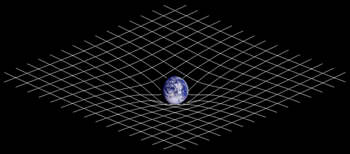
Spacetime_curvature

A recent Bonn University study suggests we may all be living in a virtual simulation. If a pixel-lattice that forms the background of this universe is presenting us with an all-encompassing “television picture” of reality, then the whole space-time continuum could be a rigorously designed artifact.

But another study, this one using a small number of meditators, pushes our understanding even further.

Dean Radin, the author of two groundbreaking books on controlled paranormal experiments, The Conscious Universe and Entangled Minds, spoke at a January conference, Electric Universe, in New Mexico. He described his recent pilot study on time and precognition.

A small group of advanced meditators who use the “non-dual” technique, were tested. While meditating, they were subjected to random interruptions: a flash of light and a beeping sound. Measuring their brain activity, Radin found that significant brain changes occurred BEFORE the light flashes or the beeps.

A control group of non-meditators were tested in exactly the same way, but their brain measurements revealed NO such changes.

In other words, the brains of the meditators anticipated the timing of the unpredictable interruptions.

The future was registering now. This, of course, opens up another way of thinking about time.

Serial time, the idea that, in this continuum, we experience a smooth progression of moments, with the present becoming, so to speak, the future, is the conventional view. But suppose that is a grossly limiting and sketchy premise?

Suppose that, for those who can be aware of it, the future is bleeding into the present? It is making an impact “before it happens.”

The non-dual method of meditation seeks to eliminate walls between “now and then, you and I, here and there.” It has also been studied by Zoran Josipovic (New York University). In 2012, Josipovic and colleagues found that, for non-dual meditators, two areas of the cerebral cortex, loosely labeled “external” and “intrinsic,” shifted their operating basis.

These two areas of the brain, long known for their independence from each other (if one is switched on, the other is switched off), both began operating with significantly less “antagonism.”

If time is deeply rooted in perception, Dean Radin’s study indicates that this even extends to the future. If people can register the impact of the future now, then our notions of time are up for grabs.

So are conventional concepts of cause and effect, which rely on chains of events moving like trains from the past to the present. We need to consider that causes can sit in the future and produce their effects in the present.

In which case, what is the future? It certainly is an expanded territory that extends beyond our normal view of it.

In correspondence with me, Dean Radin offered further information about his study:

“All participants knew that they would receive a light flash, an audio tone [beep], both, or none. In one condition they didn’t know when these would occur or what type of stimulus. In another condition they knew when it would occur but not what. In all cases no one, including experiment[ers], knew what the next stimulus would be because we used a true random number generator to select it on the fly.

“The conclusion of the study was that the reported subjective experience of exceptional spaciousness, or timelessness, reported by some advanced meditators, appears to be objectively correct. That is, their subjective sense of ‘now’ appears to expand substantially, and our experiment indicates that this was not an illusion.”

I then asked Dr. Radin how closely correlated the light flashes and audio tones were to the brain changes in the meditators. His answer was stunning. The brain changes occurred 1.5 seconds before these interruptions. And the changes obviously occurred even though the meditators didn’t know when the interruptions were coming.

Radin’s remarks offer us a major point: these meditators were expanding their consciousness of the present moment, so that it included the future.

Therefore, we would be interacting with far more than this continuum is supposed to represent.

Such a framework of understanding travels far beyond modern ideas about the makeup and laws of the physical universe. It implies more than merely a holographic or pixel-based cosmos. It speaks to titanic capabilities on our part.

Of course, having sunk to a state in which we navigate in amnesia about ourselves, we look at these ideas with skepticism. We pretend we are trapped in a container-continuum of space and time, as Einstein and others have fleshed it out.

What if this is not the case at all? What if we are trying to resolve our problems within a highly narrow context, when in fact the ultimate solution – the only one that will finally satisfy us – depends on us waking up to what we are?

Like recovering our political freedom, the journey to re-establish our greatest hidden capacities is a magnificent enterprise. We no longer need to consign ourselves to dreams of comic-book heroes. We would be the heroes.

When I first read Dean Radin’s breakthrough book, The Conscious Universe, I was floored. Far from merely recounting anecdotes of paranormal phenomena, Radin was proving that decades of well-formed and well-conducted published laboratory studies, in the areas of telepathy and psychokinesis, revealed that these human capabilities exist.

He had performed a staggering feat. He had shown the science was valid.

It remains for other branches of the scientific community to catch up, to admit their consensus about reality is provincial, distorted, and pathetically behind the times. They are now the Roman Church of old, denying Galileo and Bruno. They are the flat-earthers, fearing that to sail in a straight line too far will drop them off the edge of a giant dinner plate into emptiness.

Consider what could be the most astonishing extension of Dean Radin’s work: suppose that for those elements of the future that aren’t yet planned or on the drawing boards at all, people can still register their presence in advance. Then we would be talking about the human capacity to reach out into a vacuum, a nothing, and still “bring back” what is going to happen.

If we all added up those moments in our lives when we suddenly and inexplicably knew what was about to occur, and then it did, we would have a significant number. What if we were foreseeing events not scripted on any possible chart? What if we were going beyond time altogether and correctly discovering “something in nothing?”

www.naturalnews.com

How meditation changes brain rhythms to soothe pain and depression.

A great article from The Art of Healing Magazine…..

How meditation changes brain rhythms to soothe pain and depression

meditation2

Meditation isn’t only a way to relax or a throw-back to the 1960s when the Beatles first made the practice popular in the U.S. In fact, in recent years, mainstream scientists have published several studies showing that mindfulness meditation, which is centered on being aware of the present moment by focusing on the body and breath sensations, can prevent and treat depression. Meditation has also been found to help chronic pain.

But what’s going on in the body to produce these benefits? According to Brown University scientists, the answer appears to lie in how meditation changes the brain’s rhythms.

People who meditate regularly, the researchers say, gain control over sensory cortical alpha rhythms. In simple English, this means meditation appears to change brain rhythms that regulate how the brain filters and processes a variety of sensations – including depressing memories and pain in the body.

The Brown University researchers, who just published a paper outlining their findings and ideas about how meditation works in the journal Frontiers in Human Neuroscience, base their proposal on published experimental results as well as a computer simulation of neural networks. Because mindfulness meditation training begins with a highly localised focus on body and breath sensations, the scientists write, this enhances control over localised alpha rhythms in the part of the brain (known as the primary somatosensory cortex) where sensations from the body are “mapped.”

In a way, by learning to control their focus on the present moment, mindfulness meditators become able to “turn down” a kind of internal “volume knob” for controlling specific, localised sensory alpha rhythms. That seems to allow them to turn away from internally focused negative thoughts and sensations.

“We think we’re the first group to propose an underlying neurophysiological mechanism that directly links the actual practice of mindful awareness of breath and body sensations to the kinds of cognitive and emotional benefits that mindfulness confers,” lead author Catherine Kerr, assistant professor (research) of family medicine at the Alpert Medical School and director of translational neuroscience for the Contemplative Studies Initiative at Brown, said in a press statement.

A recent study by University of Wisconsin-Madison neuroscientists with the Center for Investigating Healthy Minds found that mindfulness meditation not only reduces stress but also reduces inflammation. And this is clearly important information for the countless people with diseases such as arthritis who can’t take, or don’t want to rely on, side effect-laden anti-inflammatory drugs.

What’s more, a University of California, San Francisco (UCSF) study just published in the Association for Psychological Science journal Clinical Psychological Science found that people who reported more presence in the moment (having a greater focus and engagement with their current activities) had longer telomeres, even after adjusting for current stress in their lives. Telomeres are a sort of cap at the ends of DNA that prevent the ends of chromosomes from fusing with nearby chromosomes or deteriorating. They are biomarkers for aging and are known to get shorter and shorter when the body undergoes physiological and psychological stressors.

www.naturalnews.com.au

Chronic Fatigue Syndrome

CHRONIC FATIGUE SYNDROME (CFS)

As I had suffered and beaten Chronic Fatigue Sydrome (CFS) over a 4-5 year period, this illness and recovery became my inspiration to become a naturopath.

Naturally this was a subject or ailment that I pursued with passion and have both treated a lot and learned a lot along the way. I now feel comfortable in stating that we see very positive results with a high percentage of my Chronic Fatigue (CFS) clients.
As everyone is different, the range of symptoms experienced can vary dramatically, and response to treatment can vary similarly.

In my experience, there seem to be 2 main avenues that clients come to experiencing Chronic Fatigue Syndrome:

  1. Post virally (i.e. Glandular Fever) or post infection (such as a bacterial infections of the gut – Bali Belly etc.)
  2. Post major stress – be that physical (as in over training syndrome), chemical (as a result of prolonged binging or drug use) or emotional/psychological (post major life stressors – this latter group often end up with symptoms not dissimilar to post traumatic stress disorder – PTSD – and can regularly prove the most resistant to treatment and take the longest to recover).

Treatment is fundamentally similar in many ways, but will vary according to preceding events/illnesses etc. and the symptoms experienced by the person.

I will cover some of the apsects of treatment in my next blog…

Chronic Fatigue

Heart Rates and Chronic Fatigue Syndrome

A fantastic article revealing more research that overwhelmingly supports the notion that stress and responses to stress play a major role in the dysfunction present in the system in CFS. And the need to regulate the autonomic nervous system in treatment of CFS. Via our biofeedback technology, we teach breathing rhythms that regulate this nervous system by increasing the very healing parasymapthetic dominance.

Chronic Fatigue Syndrome: System Under Stress

Original Article published on The Art of Healing

Australian researchers have discovered for the first time that reduced heart rate variability – or changes in heart beat timing – best predicts cognitive disturbances, such as concentration difficulties commonly reported by people with chronic fatigue syndrome (CFS). This adds to the growing body of evidence linking autonomic nervous system imbalance to symptoms of this poorly understood disorder. The findings have been reported in the journal PLOS ONE.

Chronic fatigue syndrome is characterised by medically unexplained, disabling fatigue and neuropsychiatric symptoms of at least six months’ duration. The disturbance underlying the symptoms in CFS is still poorly understood.

“We have studied autonomic function in CFS for some time and our findings clearly indicate a loss of integrity in stress-responsive neural and physiological systems in CFS. Patients with this condition are hyper-responsive to challenges arising both from within the body and from the environment,” says lead researcher, Associate Professor Ute Vollmer-Conna of the University of New South Wales in Sydney, Australia.

“Even when they sleep, their stress-responsive neural systems are on high alert, signalling that it is not safe to relax. I think this condition may be understood by analogy to post-traumatic stress disorder, just that in CFS the original trauma is most likely a physiological, internal one, such as a severe infection.”
In a study of 30 patients with CFS and 40 healthy individuals, UNSW researchers recorded the heart beats of participants (via ECG) and analysed cardiac responses to cognitive challenges, and associations with mental performance outcomes.

The patients with CFS performed with similar accuracy, but they took significantly longer to complete the tests than people without the condition. They also had greater heart rate reactivity; low and unresponsive heart rate variability; and prolonged heart rate-recovery after the cognitive challenge.

Resting heart rate variability (an index of vagus nerve activity) was identified as the only significant predictor of cognitive outcomes, while current levels of fatigue and other symptoms did not relate to cognitive performance.

“This is the first demonstration of an association between reduced cardiac vagal tone and cognitive impairment in CFS. Our findings confirm previous reports of a significant loss of vagal modulation, which becomes particularly apparent when dealing with challenging tasks. The current results are consistent with the notion that CFS represents a ‘system under stress’,” Associate Professor Vollmer-Conna says.

The findings could lead to new ways to improve cognitive difficulties in people with CFS, including biofeedback assisted retraining of autonomic functioning, the researchers say.

Breathing Rhythms

It’s finally starting to catch on that how you breathe can make a huge impact to your physical and psychological well-being. We teach simple breathing rhythms that are learned via biofeedback technology – you watch yourself breathing respond to your rhythms.

Every breath you take

By Sarah Berry – Life & Style reporter
Original Article published on Sydney Morning Herald, November 27, 2012

We take it for granted, but the way we breathe can affect our physical and emotional health, from burning more fat to giving us a six pack.

Breathing can help with grief relief, tones our abdominals and can even help us to even burn fat more effectively.

We breathe, on average, between 22,000 and 28,000 times a day. It’s a basic action that most of us take for granted.

Provided all is well, our ever-faithful, ethereal friend, the breath, endures. And noticing its presence can have surprising effects on our health and happiness. Not only does every one of our body’s trillions of cells need oxygen to survive and thrive, but the way we breathe can influence our immune function, stress levels, respiratory and emotional health.

Moving your diaphragm when you breathe communicates to every cell of your body that you are ‘safe’.

It has been said that people who practice controlled breathing exercises can reduce discomfort from computer-related disorders including arm, wrist, and hand pain.

The breath can also help with grief relief, tone our abdominals and even help us to even burn fat more effectively. The key to obtaining such benefits lies not in breathing more, but in breathing better.

“Moving your diaphragm when you breathe communicates to every cell of your body that you are ‘safe’,” says biochemist and author, Dr Libby Weaver. “We burn fat effectively and are calm from this space.”

This is because breathing well “stimulates the parasympathetic nervous system as opposed to the fight or flight response [which] turns off the digestive system,” explains Simon Borg-Oliver, university lecturer and owner of Sydney’s Yoga Synergy. “And when you breathe fully, using your diaphragm properly, you are massaging your abdominal organs and engaging your abdominal muscles.”

We need both the parasympathetic nervous system, which helps us ‘rest and digest’ and our sympathetic nervous system, which mobilises our ‘fight or flight’ stress response to real or perceived danger. “But, with our busy lives we often don’t have enough opportunity to rest, relax and rejuvenate,” says Dr Marc Cohen Professor of Complementary Medicine at RMIT University. “So the parasympathetic nervous system is often depleted… breathing techniques help to create balance.”

The ability to regulate the body’s stress response can have significant implications for our health. A longitudinal study just published in the Annals of Behavioral Medicine by Penn State University has found how we manage stress on a daily basis predicts our future health. Those who were upset by daily stressors were more likely to develop chronic health problems 10 years down the track.

“The breath is one of the most obvious things you can do to transform your health,” Cohen says.

It is also one of the most simple things we can do to transform our happiness, says Dr Ananda Bhavanani, chairman of the International Centre for Yoga Education, who teaches pranayama (breath extension) and vibrational breath therapy (which works with sound and breath to dilate blood vessels and enhance relaxation). “For simple happiness, joy and wisdom, we need integration on all levels – a holistic sense of wellbeing.

“Most people are breathing to about 10 per cent of their capacity. If we [breathed better] the cells in the body will work as they should and mental [and physical] capacity increases.”

Our breath can also have a positive impact on our emotional health. “We have direct access to emotions by noticing how we are breathing – bringing awareness into the body,” Dr Cohen says. “We can get stuck in emotion – fear is holding the breath and grief is chaotic breath. But, the breath is constantly moving. It’s about letting go. Using the breath is a way to release and move through [those feelings].”

By using the breath in this way it can facilitate grief relief, says Antonio Sausys, author of upcoming Yoga for Grief Relief (to be released by New Harbinger in 2014). “When grieving, the ‘step by step’ nature of the process encourages patience and awareness, something that conscious breathing promotes,” he says. “It also means that we are committing to letting go of everything that does not serve us, to fully exhale it all.”

There may be many benefits to be had from the breath, but it is important to remember that breathing more does not mean breathing more efficiently.

“To restore the body’s natural regulatory systems, breathing needs to be slow, deep, rhythmic and regular,” says Dr Ananda.

“The biggest problem [when people start to work with the breath] is hyperventilation,” says Dr Cohen. He also points out that to obtain the greatest benefits from the breath doesn’t mean we have to be conscious of it 100 per cent of time.

“But, it is useful to have moments of awareness. Use it as a punctuation mark in a book. Have a moment of consciousness before you enter a room, at the traffic lights or before you are about to say something emotionally charged… you can respond with a more balanced nervous system… and make better decisions.”

Breathing exercises

Dr Ananda suggests a simple four count breath through the nose for several minutes a couple of times a day. “Breathe into the diaphragmatic region. Start to breathe as low as you can (to the count of four) and breathe out, with control, to the count of four. Breathing out with control enhances parasympathetic control.”

Antonio Sausys says a simple way to bring awareness to the breath is to place the thumbs on the back of the ribs, close to the spine, with the fingers facing forward following the curve of your ribs. “To feel your ribs’ breath, allow the ribs (and therefore the hands) to expand, moving away from the centre of the body as you inhale, and letting the ribs contract as you exhale, pressing them slightly towards the centre of the body with your hands at the end of the exhalation.”

Benefits of Fruit and Vegies

The best medicine you could ever receive. It will make you happy and healthy. Not a bad return. Aim for 7 serves per day minimum. At why not make them organic to go with it.

Seven Servings of Fruit and Veggies Promote Happiness
Originally posted on worldhealth.net, Nov2 2012
> Original Article

The fast pace of today’s 24/7 lifestyle leaves many people neglecting to follow the “Five a Day” recommendation by most developed nations that aim at improving cardiovascular health and reducing cancer risk. David G. Blanchflower, from the University of Warwick (United Kingdom), and colleagues completed a review of cross-sectional data involving 80,000 Britons who were measured by standardized assessments to ascertain life satisfaction, happiness, nervousness, etc., and surveyed for the daily portions of fruits and vegetables consumed. The researchers found that happiness and mental health rise in an approximately dose-response way with the number of daily portions of fruit and vegetables. The researchers find that “well-being peaks at approximately 7 portions per day,” thus leading them to submit that: “Our findings are consistent with the need for high levels of fruit-and-vegetable consumption for mental health and not merely for physical health.